
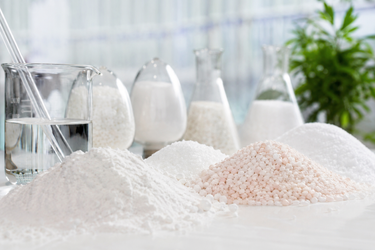
Water-Soluble Fertilizer Specifications: What Buyers Should Check Before Purchasing
Choosing a water-soluble fertilizer involves much more than comparing NPK ratios or prices. The most reliable way to evaluate product quality is to review its technical specifications, including nutrient content, water solubility, moisture, impurities, and supporting quality documents before purchasing.
For distributors, importers, fertilizer manufacturers, and commercial growers, overlooking these specifications may increase operational costs, irrigation problems, and long-term procurement risks.
Reviewing a product's technical specifications before placing an order helps reduce purchasing risks and ensures the fertilizer meets the requirements of its intended application. This water soluble fertilizer buyer guide outlines the key specifications buyers should evaluate to make more informed sourcing decisions and select products that deliver reliable performance in modern agriculture.
Why Fertilizer Specifications Matter for Agricultural Buyers
A fertilizer's specifications determine far more than its nutrient content. They influence how the product performs during storage, transportation, mixing, and field application.
According to FAO and modern fertigation practices, fertilizers used in drip irrigation systems should exhibit high water solubility and low insoluble residue to maintain uniform nutrient delivery and reduce emitter blockage.
For example, fertilizers used in drip irrigation or fertigation must dissolve completely and remain compatible with irrigation equipment. Products with poor physical or chemical consistency may increase maintenance costs or reduce nutrient use efficiency.
Professional buyers should also look beyond price. Lower-cost products may contain higher levels of moisture or impurities that affect storage stability and application performance. Requesting a specification sheet and Certificate of Analysis (COA) before purchasing helps buyers compare products objectively and reduce quality risks.
Key Nutrient Content to Check
The product name alone does not provide enough information about fertilizer quality. Buyers should always review the guaranteed nutrient analysis listed in the water-soluble fertilizer specifications.
Key nutrients include nitrogen (N), phosphorus (P₂O₅), potassium (K₂O), calcium, magnesium, sulfur, and trace elements. The appropriate nutrient balance depends on the crop type, growth stage, and fertilization program.
| Nutrient | Primary Function |
|---|---|
| Nitrogen (N) | Leaf and stem growth |
| Phosphorus (P₂O₅) | Root establishment |
| Potassium (K₂O) | Fruit quality & stress resistance |
| Calcium | Cell wall strength |
| Magnesium | Chlorophyll production |
| Sulfur | Protein synthesis |
For instance, fruiting crops often require more potassium during fruit development, calwhile leafy vegetables typically benefit from higher nitrogen during vegetative growth. Some production systems also supplement calcium, magnesium, or micronutrients to address specific deficiencies.
Comparing guaranteed nutrient analysis instead of relying on product names helps buyers select fertilizers that match specific crop requirements while improving procurement accuracy.
Water Solubility and Insoluble Matter
Water solubility is one of the most important indicators of fertilizer performance, especially for fertigation and drip irrigation systems.
High-quality water-soluble fertilizers should dissolve quickly and completely, leaving minimal residue in the solution. Excessive water-insoluble matter may clog filters, emitters, or injection equipment, leading to uneven nutrient distribution and increased maintenance.
When comparing suppliers, buyers should always review the insoluble matter specification and confirm whether the product is suitable for their irrigation system. This is particularly important for greenhouse production and large-scale farms where consistent nutrient delivery is essential.
For buyers sourcing bulk water soluble fertilizer, excellent solubility not only improves operational efficiency but also reduces the risk of customer complaints related to product performance.
Why Insoluble Matter Matters in Fertigation
Even a small percentage of insoluble particles may gradually accumulate inside filters, injection pumps, and drip emitters. Over time, this can increase maintenance frequency, reduce irrigation uniformity, and interrupt nutrient delivery.
Moisture Content and Caking Risk
Moisture content plays a key role in storage stability and handling performance. If a fertilizer absorbs too much moisture during production or storage, it is more likely to cake, making it difficult to dissolve and apply evenly.
Caked fertilizer can reduce feeding efficiency in automated systems and increase labor during preparation. This is especially important for distributors and buyers who store products for extended periods or transport them over long distances.
Before purchasing, buyers should review the moisture specification and confirm that the product is packaged in moisture-resistant materials. Proper storage in a cool, dry environment also helps maintain product quality and extends shelf life.
Chloride Content and Crop Sensitivity
Chloride content is an important specification for crops that are sensitive to salt accumulation. While some field crops tolerate moderate chloride levels, many fruit trees, vegetables, flowers, and greenhouse crops perform better with low-chloride fertilizers.
Excessive chloride may affect crop quality, nutrient uptake, or yield under certain growing conditions. For this reason, buyers should check the specification sheet instead of assuming all water-soluble fertilizers have similar purity.
For example, strawberries, grapes, citrus, peppers, cucumbers, and many ornamental flowers are commonly regarded as chloride-sensitive crops.
Selecting products with controlled impurity levels helps support more balanced nutrition, particularly in high-value crop production where consistent quality is essential.
pH, Compatibility, and Fertilizer Mixing
The pH of a fertilizer solution influences nutrient availability and compatibility with other fertilizers. Buyers using fertigation systems or customized nutrient programs should pay close attention to this specification.
Some fertilizers should not be mixed directly at high concentrations. For example, calcium-based fertilizers can react with phosphate or sulfate products and form insoluble precipitates. Following the correct mixing sequence and dilution procedure helps prevent these issues.
Water quality also affects compatibility. Factors such as water hardness and alkalinity should be considered when selecting fertilizers for drip irrigation or other precision application systems.
Particle Size, Flowability, and Handling
Physical characteristics are another practical aspect of water-soluble fertilizer specifications. Uniform particle size allows fertilizers to dissolve more consistently, while good flowability improves handling during packaging, blending, and application.
Different product forms serve different purposes. Crystalline fertilizers are widely used in fertigation because they dissolve quickly, while powders or granules may be preferred for specific manufacturing or agricultural applications.
For buyers purchasing bulk water soluble fertilizer, consistent particle size and good flowability help improve operational efficiency and reduce material loss during handling and transportation.
Packaging, Shelf Life, and Storage Conditions
Packaging protects fertilizer quality throughout transportation and storage. Durable, moisture-resistant packaging reduces the risk of contamination, moisture absorption, and physical damage before the product reaches the end user.
Many water soluble fertilizer suppliers offer standard 25 kg bags, while larger orders may be packed in jumbo bags to simplify bulk logistics. Buyers should also confirm the product's shelf life, recommended storage conditions, and handling instructions.
Reviewing these details before purchase helps maintain water soluble fertilizer quality, especially for international shipments or long-term warehouse storage.
COA and Specification Sheet: What Documents Should Buyers Request?
Technical documents provide valuable information beyond product descriptions and help buyers verify product consistency before placing an order.
For most water-soluble fertilizer purchases, suppliers should be able to provide the following documents:
- Certificate of Analysis (COA) to verify nutrient content and batch quality.
- Technical Data Sheet (TDS) or specification sheet with physical and chemical properties.
- Safety Data Sheet (SDS) for safe transportation, storage, and handling.
- Product labels and packaging information.
- Batch inspection records, if available.
Reviewing these documents allows buyers to compare water-soluble fertilizer specifications objectively and confirm that the product meets their application requirements. It also helps reduce procurement risks, especially for international trade and long-term supply agreements.
How to Compare Water-Soluble Fertilizer Suppliers
Selecting the right water soluble fertilizer supplier involves more than comparing prices. Consistent product quality and reliable service often provide greater long-term value.
Before making a purchasing decision, buyers should consider several factors:
- Whether complete product specifications and technical documents are available.
- Whether product quality remains consistent across different production batches.
- Whether the supplier offers multiple fertilizer types for different crops and applications.
- Whether the company has export experience and can support international shipping.
- Whether packaging options, minimum order quantities (MOQ), lead times, and technical support meet purchasing needs.
A supplier that communicates clearly and provides transparent product information is generally better positioned to support long-term business partnerships.
Knlan Water-Soluble Fertilizer Supply for Agricultural Buyers
KNLAN supplies a wide range of water soluble fertilizer for agriculture to meet the needs of growers, distributors, and fertilizer manufacturers worldwide. Its product portfolio includes potassium nitrate, calcium nitrate crystal, magnesium nitrate hexahydrate, magnesium sulphate, potassium sulfate, calcium magnesium fertilizer, as well as customized NPK and specialty fertilizer solutions for different crop production systems.
To support professional procurement, KNLAN provides technical documentation such as specification sheets, COAs, and SDSs upon request. Buyers can also discuss packaging options, order quantities, and application requirements to identify products that best fit their agricultural programs.
Conclusion
Understanding water-soluble fertilizer specifications is essential for making informed purchasing decisions. By evaluating nutrient content, solubility, moisture, chloride levels, physical properties, packaging, and supporting technical documents, buyers can reduce procurement risks and select products that perform reliably in modern agricultural systems.
For buyers seeking a dependable water soluble fertilizer supplier, KNLAN offers a broad portfolio of agricultural fertilizers backed by transparent specifications and professional technical support, helping customers source products with greater confidence.
Frequently Asked Questions
1. What specifications are most important when buying water-soluble fertilizer?
The most important water-soluble fertilizer specifications include nutrient content (N, P₂O₅, K₂O), water solubility, water-insoluble matter, moisture content, chloride level, pH, particle size, and storage stability. Buyers should also request supporting documents such as the COA and Technical Data Sheet (TDS) to verify product quality before placing bulk orders.
2. Why is water-insoluble matter important in water-soluble fertilizers?
Water-insoluble matter directly affects fertilizer performance in drip irrigation and fertigation systems. Products with high levels of insoluble residue may clog filters, emitters, and injection equipment, leading to uneven nutrient distribution and increased maintenance costs. Choosing fertilizers with low water-insoluble matter helps improve irrigation efficiency and supports more reliable crop nutrition.
3. What documents should I request from a water-soluble fertilizer supplier?
Before purchasing, buyers should ask suppliers to provide a Certificate of Analysis (COA), Technical Data Sheet (TDS), Safety Data Sheet (SDS), product labels, and packaging specifications. These documents confirm nutrient composition, product quality, safe handling requirements, and storage recommendations, helping buyers compare suppliers more accurately and reduce procurement risks.

Blending chemical innovation with sustainable practices to produce premium nitrates that power crops and industries across continents.
Be the first to know about new collections and exclusive offers.
@2025 Shanxi Knlan Chemical Co., Ltd