
Top Industrial Applications of Magnesium Chloride You Should Know
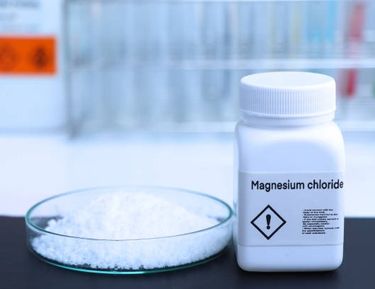
Magnesium chloride (MgCl₂) is a versatile compound that has gained widespread recognition for its utility across a variety of industrial sectors. Derived from seawater, salt brines, or mineral deposits, it is available in both anhydrous and hydrated forms, each serving distinct purposes. From construction and agriculture to chemical processing and food production, magnesium chloride’s multifaceted applications make it an essential material for businesses worldwide. In this article, we’ll explore the top industrial uses of magnesium chloride and highlight how it contributes to efficiency, sustainability, and safety across industries.
1. Deicing and Anti-Icing Agent
One of the most common uses of magnesium chloride is in road maintenance, particularly in regions experiencing harsh winters. Unlike traditional sodium chloride, magnesium chloride remains effective at much lower temperatures, making it ideal for melting ice and snow on roads, sidewalks, parking lots, bridges, and airports. Its hygroscopic nature allows it to absorb moisture from the environment, which accelerates ice melting.
Beyond effectiveness, magnesium chloride is less corrosive than road salt, reducing damage to vehicles and infrastructure. Using magnesium chloride in deicing not only ensures safer driving conditions but also minimizes maintenance costs over time, making it an eco-friendly and practical choice for municipalities and private operators.
Also read: Magnesium Chloride vs Other Deicers: Which Works Best?
2. Dust Control and Soil Stabilization
In the construction, mining, and unpaved road sectors, magnesium chloride is valued for its dust suppression properties. When applied to dusty surfaces, it binds soil particles together, preventing dust from dispersing into the air. This improves air quality, visibility, and overall safety on construction sites and industrial operations.
Additionally, magnesium chloride enhances soil stability, reducing erosion and the need for frequent grading or resurfacing. Its use in soil stabilization is particularly effective for heavy traffic roads, mining sites, and industrial yards where loose soil could pose environmental or operational challenges.
3. Wastewater Treatment
Magnesium chloride plays a pivotal role in wastewater treatment. Its chemical properties make it an effective agent for removing phosphates and other contaminants from industrial and municipal wastewater. Magnesium chloride’s ability to facilitate coagulation and flocculation makes it a reliable solution in industrial wastewater treatment, producing cleaner effluent and minimizing environmental impact. Industries such as chemical manufacturing, food processing, and pulp and paper rely on magnesium chloride to meet regulatory standards and ensure environmentally responsible operations.
4. Fireproofing and Flame Retardants
Safety is a top concern in construction and manufacturing, and magnesium chloride contributes significantly in this area. Incorporated into materials like fire-resistant boards, textiles, and coatings, it enhances fireproofing and flame retardant properties.
Textile manufacturers, for instance, use magnesium chloride to produce fabrics that meet stringent fire safety standards, while construction materials treated with it offer additional protection in residential, commercial, and industrial buildings. This dual functionality—improving safety while maintaining structural integrity—makes magnesium chloride a critical material in fire prevention strategies.
5. Production of Magnesium Metal
Magnesium chloride is the primary source for producing metallic magnesium, a lightweight and highly valuable metal in industries such as aerospace, automotive, and electronics. Through an electrolytic reduction process, MgCl₂ is transformed into pure magnesium metal.
This process highlights the importance of magnesium chloride in metallurgy, enabling the production of durable, lightweight components used in vehicles, aircraft, and electronic devices. Its high efficiency and reliability make it a preferred raw material for magnesium metal manufacturers worldwide.
6. Agricultural Applications
In agriculture, magnesium chloride is utilized both as a soil supplement and an additive in animal feed. By providing essential magnesium and chlorine, it helps correct nutrient deficiencies, promotes healthy plant growth, and improves crop yields.
For livestock, magnesium chloride can prevent conditions related to magnesium deficiency, such as grass tetany in ruminants. Farmers increasingly rely on magnesium chloride solutions to maintain soil fertility and animal health, ensuring sustainable and productive agricultural practices.
7. Cement and Concrete Additive
Magnesium chloride is also widely used in the construction industry as a cement and concrete additive. It accelerates setting times and enhances the strength and durability of concrete, especially in cold weather conditions.
Additionally, magnesium chloride-treated concrete exhibits increased fire and abrasion resistance, prolonging the lifespan of pavements, bridges, and other critical infrastructure. This makes it a valuable component for construction projects seeking long-term durability and safety.
8. Textile Industry Applications
In textile manufacturing, magnesium chloride serves multiple purposes. It acts as a mordant in dyeing processes, ensuring even color distribution and long-lasting results. Textile manufacturers rely on magnesium chloride for color fixation and fire-resistant fabrics, making garments and upholstery safer for consumers and commercial environments.
9. Oil and Gas Industry
In the oil and gas sector, magnesium chloride is an essential ingredient in drilling fluids. It helps lubricate drill bits, stabilize boreholes, and transport drill cuttings to the surface efficiently. By maintaining the integrity of drilling operations, magnesium chloride reduces equipment wear and prevents operational delays, contributing to cost-effective and safe extraction processes.
10. Food Industry Applications
Magnesium chloride is recognized in the food industry as a safe additive (E511). It functions as a firming agent in canned vegetables, a coagulant in tofu production, and a dietary magnesium supplement. Magnesium chloride is valued for enhancing both food texture and nutritional content, making it a versatile additive in both processed and natural foods.
11. Pharmaceutical and Cosmetic Uses
In healthcare, magnesium chloride is commonly used as a supplement to prevent magnesium deficiency and improve overall wellness. In cosmetics, it appears in formulations designed to boost skin hydration, reduce inflammation, and alleviate muscle cramps. Magnesium chloride’s versatility extends to health and wellness applications, demonstrating its value beyond purely industrial purposes.
12. Magnesium Chloride in Road Construction
Magnesium chloride is increasingly preferred in road construction and maintenance for preventing ice and snow buildup. Sprayed on surfaces, it can remain active for several days, reducing the need for repeated applications. Compared to traditional road salt, magnesium chloride is more environmentally friendly, less damaging to concrete, and safer for vehicles, humans, and animals. Its ability to function at temperatures as low as -50°C makes it a superior choice for cold regions seeking sustainable and efficient ice management solutions.
Choosing Quality Magnesium Chloride Products
Given its diverse industrial applications, selecting the right magnesium chloride product is crucial. KNLAN Chemical offers high-quality magnesium chloride solutions suitable for a range of industries—from agriculture and road maintenance to construction and wastewater treatment. Our products are designed to deliver consistent performance, improve operational efficiency, and meet both environmental and safety standards. Whether you need magnesium chloride for dust control, deicing, or industrial manufacturing, KNLAN Chemical provides reliable solutions tailored to your specific needs.
Conclusion
Magnesium chloride’s wide-ranging applications underscore its importance in modern industry. From improving road safety and agricultural productivity to enhancing industrial processes and consumer products, this compound is truly multifaceted. Businesses that understand and leverage the benefits of magnesium chloride can optimize operations, ensure safety, and achieve sustainable results. Exploring the full potential of magnesium chloride enables companies to improve efficiency and outcomes across various sectors.
Discover high-quality magnesium chloride products at KNLAN Chemical and see how our solutions can meet your industrial and commercial needs reliably and efficiently.

Blending chemical innovation with sustainable practices to produce premium nitrates that power crops and industries across continents.
Be the first to know about new collections and exclusive offers.
@2025 Shanxi Knlan Chemical Co., Ltd