
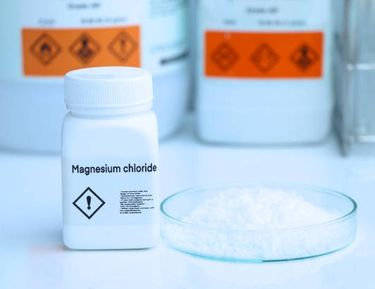
Magnesium Chloride vs Other Deicers: Which Works Best?
Winter can be beautiful, but icy roads and sidewalks pose serious safety risks. Choosing the right deicer is essential for keeping surfaces safe, minimizing damage, and protecting the environment. This guide explores Magnesium Chloride vs Other Deicers to help you make informed decisions for winter maintenance.
What Are Deicers and How Do They Work?
Deicers are substances applied to icy surfaces to lower the freezing point of water. This prevents ice formation and melts existing ice. Common deicers include sodium chloride (rock salt), calcium chloride, potassium chloride, and magnesium chloride. Each has unique chemical properties, effectiveness ranges, environmental impacts, and costs. Understanding these differences ensures the best solution for your needs.
Sodium Chloride – The Traditional Choice
Sodium chloride, or rock salt, is widely used due to its low cost and availability. It works effectively above 20°F (-6°C) but melts ice more slowly in extreme cold. Additionally, it can corrode metal, damage concrete, and harm vegetation. While suitable for mild winter conditions, its limitations often encourage users to explore alternatives.
Calcium Chloride – Powerful but Aggressive
Calcium chloride excels in very low temperatures, sometimes as low as -25°F (-32°C). As it dissolves, it absorbs moisture from the air and generates heat, which speeds up ice melting. Its main drawback is high corrosiveness, which can damage concrete, asphalt, and surrounding vegetation if overapplied.
Potassium Chloride – Mild and Eco-Friendly
Potassium chloride is gentler on surfaces, plants, and pets, making it environmentally safer. However, it is less effective at melting ice in extremely cold conditions, often requiring more frequent applications. It works best in mild winters or where environmental safety is a priority.
Magnesium Chloride – The Balanced Solution
When comparing Magnesium Chloride vs Other Deicers, magnesium chloride stands out for its balance of performance, safety, and environmental friendliness. It works efficiently at temperatures as low as -13°F (-25°C) and melts ice quickly. Unlike sodium or calcium chloride, magnesium chloride is less corrosive, making it safer for concrete, asphalt, vehicles, and surrounding vegetation.
Available in pellets, flakes, and liquid solutions, magnesium chloride allows flexible application based on surface type and area size. It also forms a thin protective brine layer, preventing ice from bonding to surfaces and reducing the need for repeated applications.
Many municipalities and businesses rely on magnesium chloride solutions from KNLAN Chemical to simplify winter maintenance. Our products melt ice efficiently while being gentle on surfaces and the environment. Whether managing roads, parking lots, or walkways, we provide dependable options that combine performance with environmental care.
Comparing Effectiveness: Magnesium Chloride vs Other Deicers
Effectiveness is key when evaluating Magnesium Chloride vs Other Deicers. Magnesium chloride works faster than sodium chloride in low temperatures and maintains consistent performance across a wide range of conditions. Its adhesion to surfaces reduces waste and labor, while the protective brine layer helps prevent new ice from forming—unlike other deicers that primarily target existing ice. This makes magnesium chloride ideal for high-traffic areas.
Safety and Environmental Considerations
Safety and environmental impact are critical factors in choosing a deicer. Sodium chloride and calcium chloride can corrode metal, damage concrete, and harm plants and pets. Magnesium chloride, by contrast, is less corrosive and environmentally safer when used responsibly.
It also poses lower risks to pets walking on treated surfaces. While all deicers require careful handling, magnesium chloride’s reduced toxicity minimizes irritation or injury, making it a safer choice for residential, commercial, and municipal use.
Cost and Value of Magnesium Chloride
Cost is often a deciding factor. Sodium chloride is the cheapest, calcium chloride and potassium chloride are more expensive, and magnesium chloride is mid-range. However, when considering effectiveness, reduced labor, and minimal surface damage, magnesium chloride offers excellent long-term value. Fewer reapplications and less infrastructure wear offset the higher upfront cost, making it a cost-effective choice.
Tips for Effective Application
Maximizing deicer performance requires proper application. For magnesium chloride:
- Apply evenly and avoid overuse.
- Pre-treat surfaces before storms to prevent ice formation.
- Choose the appropriate form (pellets, flakes, or liquid) for the area and conditions.
Liquid magnesium chloride works well for large areas like parking lots or roads, while solid forms are suitable for sidewalks and smaller surfaces. Combining magnesium chloride with sand can also improve traction while retaining ice-melting efficiency.
Making the Right Choice
Choosing between Magnesium Chloride vs Other Deicers depends on your priorities. Sodium chloride may suffice in mild conditions, and calcium chloride is effective in extreme cold but more corrosive. For consistent performance, reduced infrastructure damage, and environmental care, magnesium chloride is the balanced choice.
Municipalities, commercial properties, and environmentally conscious homeowners increasingly rely on magnesium chloride for safe, efficient winter maintenance. Its versatility, safety, and environmental benefits make it the preferred option for diverse climates and conditions.
Conclusion
Winter maintenance requires more than spreading ice-melting chemicals. Comparing Magnesium Chloride vs Other Deicers, magnesium chloride melts ice quickly, reduces corrosion, and is safer for the environment. For reliable solutions, KNLAN Chemical offers products for municipal, commercial, and residential use.
Explore our magnesium chloride options and contact us today to make your winter maintenance safer and more efficient.

Blending chemical innovation with sustainable practices to produce premium nitrates that power crops and industries across continents.
Be the first to know about new collections and exclusive offers.
@2025 Shanxi Knlan Chemical Co., Ltd