
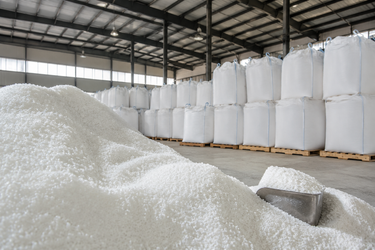
Bulk Ammonium Sulfate Handling, Storage & Safety Guide for Fertilizer Buyers
Bulk ammonium sulfate can maintain its physical quality and nutrient value for months when it is stored in a dry, covered, and well-managed environment. For fertilizer distributors, importers, blenders, and agricultural suppliers, the key to reducing losses is not only choosing a high-quality product but also following proper ammonium sulfate handling procedures, meeting ammonium sulfate storage requirements, and implementing appropriate transportation and warehouse management practices.
Although ammonium sulfate is considered a stable nitrogen and sulfur fertilizer, poor storage conditions can lead to caking, moisture absorption, contamination, and unnecessary handling costs. This guide explains how to store bulk ammonium sulfate, outlines practical ammonium sulfate handling methods, and discusses important ammonium sulfate safety considerations to help fertilizer buyers protect product quality throughout the supply chain.
Understanding Bulk Ammonium Sulfate and Storage Challenges
Bulk ammonium sulfate is widely used as a source of both nitrogen (21% N) and sulfur (24% S), making it especially valuable for sulfur-deficient soils and crops with high sulfur demand. It is commonly supplied in granular or crystalline form for direct field application, fertilizer blending, or industrial processing.
Compared with many nitrogen fertilizers, ammonium sulfate is chemically stable and non-flammable. However, its physical condition can change if storage environments are poorly controlled. This is why fertilizer buyers should understand both product characteristics and ammonium sulfate storage requirements before purchasing in large quantities.
Several common factors affect storage performance:
- High humidity can increase moisture absorption and promote caking.
- Repeated temperature fluctuations encourage condensation inside warehouses.
- Excessive stacking pressure may compress lower bags or bulk piles.
- Exposure to contaminants such as acids, alkalis, fuels, or incompatible chemicals can reduce product quality.
- Poor warehouse ventilation may increase moisture accumulation over time.
The challenge becomes greater when bulk ammonium sulfate is stored for seasonal demand. Distributors often purchase several months of inventory before planting seasons, meaning storage management directly influences product value and customer satisfaction.
Unlike products that deteriorate chemically, ammonium sulfate usually retains its nutrient composition. Most quality issues arise from physical changes that make handling, spreading, or blending less efficient.
Best Practices for Bulk Ammonium Sulfate Storage
Following appropriate ammonium sulfate storage requirements helps maintain free-flowing granules while minimizing product loss. While ammonium sulfate is known for its chemical stability, its physical condition largely depends on warehouse management. Proper storage practices help prevent caking, simplify inventory handling, and ensure the fertilizer remains suitable for blending or direct application.
Choose a Dry, Covered Storage Facility
The first step in learning how to store bulk ammonium sulfate is selecting an appropriate storage environment. Warehouses should remain dry throughout the year and protect products from rainfall, groundwater, and excessive humidity. Storing fertilizer on raised pallets or dry concrete floors creates a barrier against moisture migration, while adequate ventilation helps reduce condensation caused by temperature fluctuations. Facilities should also avoid prolonged exposure to direct sunlight or standing water near storage areas, as both can contribute to packaging damage and uneven storage conditions over time.
Prevent Moisture Absorption
Although ammonium sulfate is relatively stable, prolonged exposure to moisture increases the possibility of caking. Simple preventive measures can significantly improve long-term storage performance:
- Keep bags sealed until use and close partially used bulk containers immediately.
- Repair leaking roofs promptly and use waterproof covers whenever fertilizer is temporarily stored outdoors or handled during wet weather.
Many fertilizer terminals also monitor warehouse humidity as part of routine inventory management to identify potential problems before they affect large inventories.
Stack Products Correctly
Proper stacking is an important part of ammonium sulfate handling because excessive pressure can cause granules to compact over time. Bags or bulk containers should be stacked according to the supplier's recommendations and arranged on stable pallets with adequate space between rows for inspection and ventilation. Applying a first-in, first-out (FIFO) inventory system also helps shorten storage periods and reduces the likelihood of long-term compression, making warehouse operations both safer and more efficient.
Separate from Incompatible Materials
Maintaining ammonium sulfate safety also means preventing contamination during storage. Fertilizer should be stored in a dedicated area away from incompatible materials such as strong alkaline chemicals, oxidizing agents, fuels, food products, or animal feed. Clear segregation not only helps preserve fertilizer quality but also supports regulatory compliance and simplifies warehouse management by reducing the risk of accidental cross-contamination.
Safe Handling and Transportation of Bulk Ammonium Sulfate
Effective ammonium sulfate handling begins long before the fertilizer reaches the warehouse. Every transfer—from the production line to ports, warehouses, blending plants, and finally agricultural users—creates opportunities for physical damage if equipment or operating procedures are not properly managed.
Follow Standard Ammonium Sulfate Handling Procedures
Well-designed ammonium sulfate handling procedures help reduce dust generation, minimize product breakage, and maintain consistent granule quality throughout the supply chain. Mechanical conveying equipment should be operated carefully to avoid unnecessary drops or excessive impact that may crush particles. At the same time, loaders, conveyors, and packaging equipment should be cleaned regularly to prevent contamination from other materials. Routine inspection of bags and bulk containers before loading further reduces the risk of product loss during transport.
Personal Protective Equipment
Although ammonium sulfate is generally considered a low-hazard fertilizer under normal working conditions, personnel should still follow standard industrial safety practices. Wearing appropriate personal protective equipment, including gloves, safety glasses, dust masks where necessary, and protective clothing, helps reduce routine exposure to fertilizer dust during loading, blending, or packaging. Good housekeeping, proper ventilation, and employee training are equally important components of an effective workplace safety program.
Transportation Considerations
Transportation conditions play an important role in preserving bulk ammonium sulfate quality. During domestic delivery or international export, buyers and logistics providers should pay attention to several key practices:
- Keep cargo dry, secure truck covers, and inspect packaging before shipment.
- Avoid transporting ammonium sulfate together with incompatible chemicals that could contaminate the fertilizer or create unnecessary handling risks.
These precautions become particularly important during long-distance sea freight, where changing humidity levels and extended transit times increase the possibility of moisture-related quality issues.
Dust Management
Some dust generation may occur when handling granular fertilizers. Good warehouse ventilation, enclosed conveying systems, and routine housekeeping help maintain cleaner working environments.
Operators should avoid compressed air cleaning methods that unnecessarily disperse fertilizer dust into work areas.
How to Maintain Bulk Ammonium Sulfate Quality During Storage
Maintaining fertilizer quality involves regular monitoring rather than simply placing inventory in storage.
Warehouse managers should establish inspection schedules that identify problems before they affect large inventories.
Routine inspections typically include:
- Checking for moisture intrusion
- Looking for signs of caking
- Examining packaging integrity
- Monitoring warehouse cleanliness
- Recording inventory rotation dates
Early detection allows corrective actions before product quality declines.
Beyond routine inspections, consistent warehouse management also improves long-term inventory performance. Temperature stability, controlled humidity, and organized stock rotation work together to preserve the free-flowing characteristics that fertilizer distributors expect from quality bulk ammonium sulfate. These operational practices become increasingly important when products remain in storage for several months before seasonal demand.
Product packaging also contributes to storage performance. Durable moisture-resistant bags, properly sealed bulk bags, and well-maintained pallets reduce the likelihood of mechanical damage during repeated handling cycles. Buyers sourcing large volumes should evaluate packaging specifications alongside fertilizer quality, especially when shipments involve multiple transportation stages or extended export logistics.
For distributors supplying fertilizer blending facilities, maintaining consistent particle size is equally important. Excessive crushing during handling may increase dust formation, reduce blending uniformity, and affect application accuracy. Careful ammonium sulfate handling throughout storage and transportation helps preserve product consistency from production to final use.
The quality of stored fertilizer also depends on supplier reliability. Manufacturers operating modern production lines with strict quality management systems typically provide more consistent particle size distribution, moisture control, and packaging quality. These factors simplify downstream storage and handling while reducing operational risks for fertilizer buyers.
Common Storage Mistakes to Avoid Even experienced fertilizer distributors occasionally overlook storage details that gradually affect inventory quality. The following mistakes are among the most common:
| Common Mistake | Potential Consequence |
|---|---|
| Storing directly on warehouse floors | Moisture absorption and caking |
| Exposing bags to rain during unloading | Reduced flowability |
| Overstacking pallets | Bag deformation and compression |
| Mixing old and new inventory | Poor stock rotation |
| Storing with incompatible chemicals | Contamination and safety concerns |
| Ignoring damaged packaging | Moisture penetration and product loss |
Avoiding these issues is often more cost-effective than correcting product damage after it occurs.
Choosing a Reliable Bulk Ammonium Sulfate Supplier
Proper storage begins with purchasing a consistent, high-quality product. Buyers should evaluate suppliers based on more than price alone.
Important selection criteria include:
- Stable nutrient composition
- Uniform granule size
- Low moisture content
- Reliable packaging quality
- International certifications
- Export experience
- Consistent production capacity
Working with an experienced manufacturer can reduce supply chain risks while making ammonium sulfate handling, storage, and transportation more predictable across multiple shipments.
Conclusion
Proper bulk ammonium sulfate management combines suitable storage facilities, effective ammonium sulfate handling procedures, moisture control, safe transportation, and routine warehouse inspections. Following established ammonium sulfate storage requirements not only helps preserve fertilizer quality but also reduces operational costs and improves inventory reliability throughout the agricultural supply chain.
For buyers seeking a dependable source of bulk ammonium sulfate, KNLAN Chemical combines consistent manufacturing, export experience, and quality-focused production to support fertilizer distributors and agricultural markets worldwide with reliable supply and professional service.

Blending chemical innovation with sustainable practices to produce premium nitrates that power crops and industries across continents.
Be the first to know about new collections and exclusive offers.
@2025 Shanxi Knlan Chemical Co., Ltd