
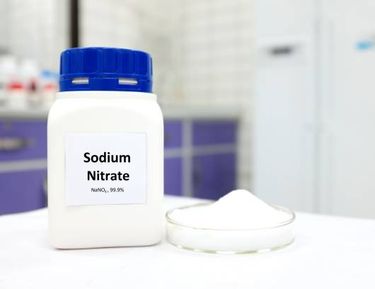
Why Sodium Nitrate Is Essential for Efficient Heat-Treat Salt Baths in Metal Processing
In metal processing, achieving precise hardness, surface quality, and durability can be a challenge. Heat treatment is a cornerstone of high-quality metal production, and salt baths are one of the most reliable methods for this purpose. Among the salts used in these baths, sodium nitrate plays a pivotal role. Its unique properties make it an indispensable component in creating controlled, efficient, and consistent heat-treatment processes.
This article explores why sodium nitrate is key in heat-treat salt baths, its applications in metal processing, and how selecting the right supplier can optimize your results.
Understanding Heat-Treat Salt Baths
Heat-treat salt baths involve immersing metal parts into a molten salt medium to achieve specific thermal treatment goals. These baths offer distinct advantages compared to conventional methods like furnace heating or oil quenching:
Uniform Heating: The high thermal conductivity of molten salts ensures even heat distribution across the metal part, reducing thermal gradients that can cause warping or internal stresses.
Controlled Cooling: Salt baths provide consistent and controlled cooling rates, essential for processes such as quenching, where rapid cooling is necessary to achieve certain microstructures.
Reduced Oxidation: Molten salts create a protective atmosphere around the metal, minimizing oxidation and decarburization, which preserves the metal’s surface integrity.
Minimal Distortion: The buoyancy provided by the molten salts supports the workpiece, lowering the risk of distortion during heat treatment.
These benefits make salt baths a preferred choice for industries that require precision, durability, and efficiency in metal processing.
Why Sodium Nitrate Is Crucial
Sodium nitrate (NaNO₃) is a core ingredient in many heat-treat salt mixtures. Its chemical and thermal properties make it particularly suited for high-temperature metal processing:
Low Melting Point: Sodium nitrate melts at approximately 307°C, allowing it to become molten at relatively moderate temperatures, providing flexibility in bath operation.
High Thermal Stability: It maintains its stability at elevated temperatures, enabling long-duration processes without significant degradation.
Oxidizing Agent: Acting as an oxidizing agent, sodium nitrate can assist surface treatments such as nitriding, which improves hardness and wear resistance.
Compatibility: When blended with salts like potassium nitrate or sodium nitrite, it forms eutectic mixtures, lowering the overall melting point and expanding the operational range of the bath.
Because of these properties, sodium nitrate ensures that salt baths remain efficient, safe, and effective across a variety of metal processing applications.
Key Applications in Metal Processing
Sodium nitrate-based salt baths are widely used in several heat-treatment processes:
1. Quenching
Quenching involves rapidly cooling metal from a high temperature to enhance hardness. Sodium nitrate-based baths enable controlled cooling, ensuring uniform hardness while minimizing thermal shock and stress.
2. Austempering and Martempering
These processes require holding metal at a precise temperature for a specific duration to achieve desired microstructures. Sodium nitrate’s thermal stability helps maintain the necessary temperature uniformly throughout the bath.
3. Nitriding
Nitriding is a surface-hardening technique where nitrogen is diffused into the metal surface. Sodium nitrate, as part of the bath composition, provides the oxidizing environment required to enhance surface hardness and wear resistance.
4. Annealing
Annealing involves heating and slowly cooling metal to relieve internal stresses and soften the material. Sodium nitrate baths provide the precise thermal environment needed for consistent annealing results.
Advantages of Using Sodium Nitrate in Salt Baths
Incorporating sodium nitrate into heat-treat baths offers several advantages:
Enhanced Process Control: Its predictable behavior at various temperatures allows precise management of heating and cooling cycles.
Improved Material Properties: Processes like nitriding improve surface hardness, wear resistance, and fatigue strength, extending the lifespan of metal components.
Cost-Effectiveness: Sodium nitrate is relatively inexpensive and widely available, making it a practical choice for industrial use.
Safety and Stability: Properly handled sodium nitrate is stable, reducing the risk of accidents in high-temperature environments.
These benefits demonstrate why sodium nitrate remains a top choice for metal processors seeking efficiency, consistency, and reliability.
Choosing the Right Sodium Nitrate Supplier
At KNLAN Chemical, we understand that the quality of sodium nitrate is critical for effective heat-treat salt baths. Impurities can impact melting behavior, bath consistency, and the overall quality of metal processing. That’s why we are committed to providing premium sodium nitrate specifically formulated for heat-treatment applications.
Our products offer high purity, excellent thermal stability, and consistent performance to ensure reliable results in every molten salt bath. We also offer customized salt blends tailored to meet your specific temperature ranges and metal processing requirements. By choosing KNLAN Chemical as your partner, you can enhance bath efficiency, improve the durability and quality of your metals, and minimize process risks—helping your operations run smoother and more predictably.
Safety Considerations
While sodium nitrate is generally safe, proper handling is essential:
Storage: Keep sodium nitrate in a cool, dry area away from combustible materials.
Handling: Always wear appropriate personal protective equipment (PPE), such as gloves and goggles, when working with molten salts.
Spill Management: Follow established protocols to neutralize and safely clean up any spills.
Adhering to these guidelines ensures a safe and effective working environment.
Conclusion
Sodium nitrate is a cornerstone of effective heat-treat salt baths in metal processing. Its thermal stability, low melting point, and compatibility with other salts make it indispensable for processes ranging from quenching and annealing to nitriding. By using high-quality sodium nitrate from a trusted supplier like KNLAN Chemical, manufacturers can enhance process control, improve metal durability, and achieve consistent results.
Contact us today to learn more about our products, request a quote, or discuss a custom blend designed for your operations.

Blending chemical innovation with sustainable practices to produce premium nitrates that power crops and industries across continents.
Be the first to know about new collections and exclusive offers.
@2025 Shanxi Knlan Chemical Co., Ltd